
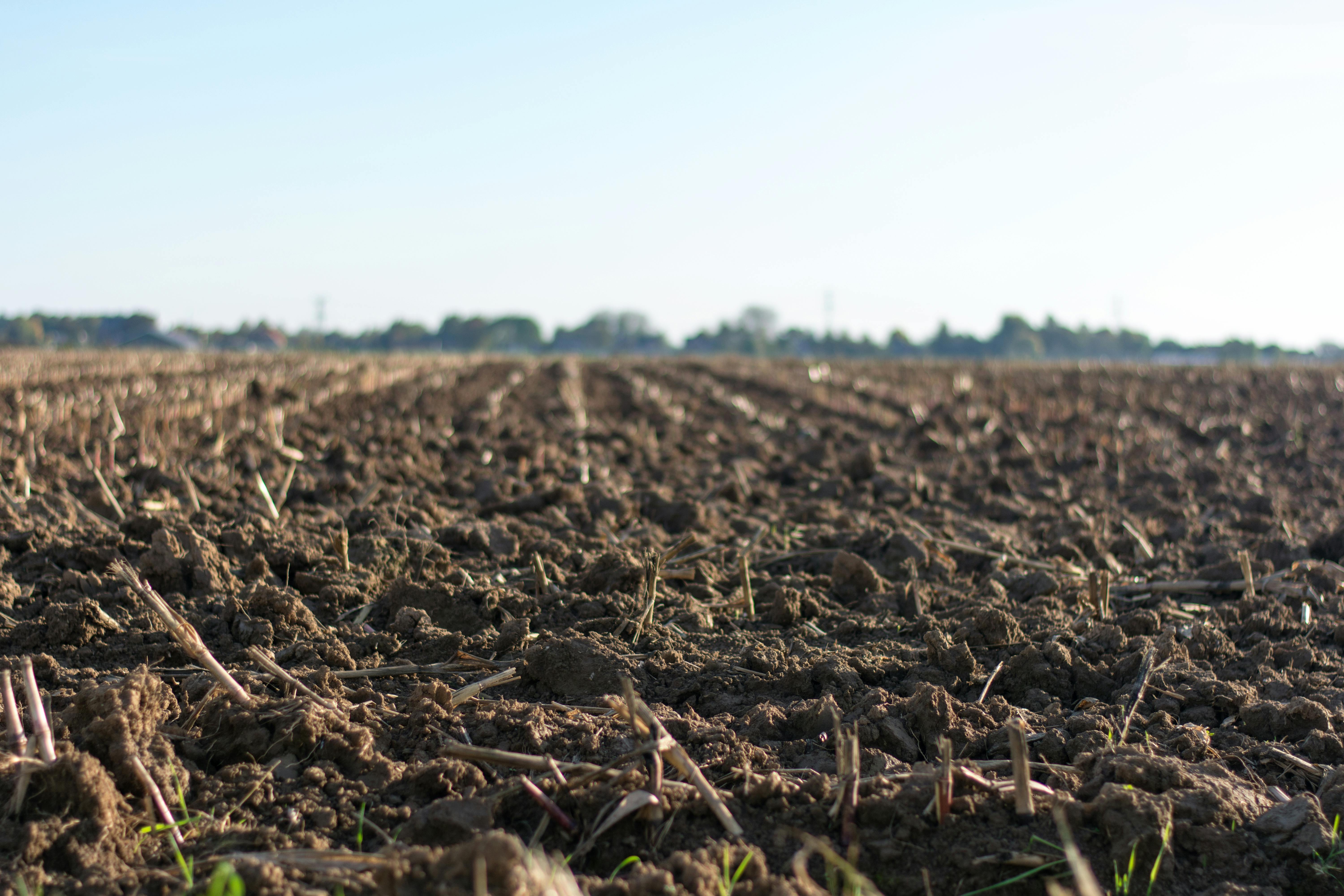
Fertilizer & Lime Application Services for Corinth Area Pastures
Accurate fertilizer and lime application transforms Alcorn County pasture productivity, but poor equipment calibration, uneven spreading, or mismatched rates waste money and limit results. Tri‑State Livestock LLC. provides professional spreading services throughout the Corinth region using calibrated equipment, soil-test-based recommendations, and experienced operators who understand Northeast Mississippi's fertility challenges.
Why Professional Application Matters
Buying lime and fertilizer is the easy part—applying it correctly determines whether you achieve results or waste inputs. Uncalibrated spreaders create striping, applying double rates in some passes while missing swaths entirely. Wrong timing (nitrogen before rain, lime without incorporation) reduces effectiveness. Improper product selection (using high-analysis fertilizer on low-pH soils that can't release nutrients) throws money away. Our service ensures soil-test recommendations translate into field reality.
Common Application Problems We Prevent
- Uneven distribution: Striped pastures from poorly maintained or uncalibrated spreaders
- Rate errors: Over-application wasting money; under-application failing to correct deficiencies
- Poor timing: Applying nitrogen during drought or lime to frozen ground
- Product mismatches: Using wrong fertilizer grades or lime types for soil conditions
Services We Provide
Lime Application
Most Corinth-area pastures need lime to correct acidity inherited from decades without treatment. We apply agricultural limestone at soil-test-prescribed rates (typically 1–4 tons per acre), ensuring even distribution across fields. Our equipment handles both ag lime and pelleted lime products, with spreader settings adjusted for each material's density and flow characteristics.
Corinth Lime Application Considerations
Alcorn County's clay-loam soils benefit from lime incorporation when possible, but established pastures require surface application. We time lime spreading for late summer through fall—allowing winter precipitation to move lime into the root zone before spring growth. Target pH 6.0–6.5 for grass-legume pastures; bermudagrass-only stands tolerate slightly lower pH (5.8–6.2) but still benefit from correction.
N-P-K Fertilizer Application
We apply granular fertilizer blends based on soil test results and your forage goals. Nitrogen timing follows growth patterns: split applications on bermudagrass (May, July, late August for stands managed intensively); single spring application on fescue or mixed stands. Phosphorus and potassium are typically applied in fall or early spring, timed with lime when both are needed.
Common Fertilizer Programs for Corinth Pastures
- Maintenance fertility: 50–80 lbs N, 30–50 lbs P₂O₅, 40–60 lbs K₂O per acre annually for grazed pastures
- Hay meadow fertility: 120–180 lbs N in split applications, plus replacement P & K based on tons removed
- Establishment fertility: High P (60–80 lbs P₂O₅) at seeding to support root development and stand establishment
Specialty Applications
We handle micronutrient applications (zinc, boron, sulfur), gypsum for magnesium balance or soil structure improvement, and organic amendments (poultry litter) where appropriate for Alcorn County operations. Each product requires calibration adjustments—our equipment and experience ensure accurate rates regardless of material.
Our Application Process
- Pre-application consultation: Review soil test results, discuss product selection, and confirm field access
- Product sourcing: Coordinate delivery from Corinth-area suppliers or work with products you've purchased
- Calibrated spreading: Set equipment for prescribed rates, verify calibration before starting
- Field application: Spread material evenly across pastures, documenting coverage and rates
- Post-application documentation: Provide records showing acres treated, products applied, and rates achieved
Equipment and Calibration
We maintain spreader equipment specifically for pasture applications—not oversized farm equipment that compacts soil or undersized homeowner spreaders that take forever. Our calibration protocols account for material characteristics (particle size, moisture content, flowability) that affect delivery rates. Before each job, we verify settings match prescribed rates, preventing costly over or under-application.
Timing Recommendations for Corinth
Northeast Mississippi's climate creates distinct application windows for optimal effectiveness:
Lime: August–November
Apply lime in late summer through fall, allowing winter moisture to begin pH correction before spring growth. Avoid frozen ground (poor distribution, potential equipment damage) or saturated soils (rutting, compaction).
Nitrogen on Bermudagrass: May, July, Late August
Split nitrogen applications when bermudagrass is actively growing and soil moisture supports nutrient uptake. Applying nitrogen before drought wastes material; post-rain application maximizes efficiency. Avoid nitrogen after early September—late-season applications delay dormancy and reduce winter hardiness.
Phosphorus & Potassium: October–March
P & K are relatively immobile; timing is less critical than nitrogen. Fall or early spring application works well, often coordinated with lime when both are needed.
Corinth Fertilizer Application Pricing
Our spreading service typically runs $12–$18 per acre depending on field size, access, and product type. Lime applications (requiring higher rates per acre) may cost slightly more due to load frequency. We provide transparent itemized quotes:
- Per-acre spreading fee
- Product cost (lime, fertilizer) at current market rates
- Delivery coordination from Corinth-area suppliers
- Calibration and documentation
- Travel within Alcorn County (usually included)
Larger acreages (50+ contiguous acres) qualify for volume discounts. Multiple-field jobs scheduled the same day reduce per-acre costs through equipment efficiency.
Field Access and Conditions
We need reasonable field access—gated entrances, no severe washouts or rutted tracks that risk equipment damage. Fields should be dry enough to support equipment without excessive rutting. Corinth's clay content means waiting 2–3 days after heavy rain before spreading to avoid compaction and turf damage. We'll assess conditions before scheduling and reschedule if needed to protect your pastures.
Product Sourcing and Coordination
We coordinate with Corinth-area fertilizer and lime suppliers along Highway 45 and Highway 72, leveraging relationships for competitive pricing and timely delivery. You can supply your own products if you prefer—we'll adjust our service fee accordingly. Either way, we ensure product matches soil test specifications (correct analysis, proper lime fineness rating).
Integration with Comprehensive Fertility Management
Fertilizer application is most effective within a complete management system:
- Soil testing to determine what your pastures actually need—not guessing
- Pasture consulting to design multi-year fertility buildups and grazing plans
- Hay testing to verify if fertility improvements translate to better forage quality
Frequently Asked Questions
Can you spread lime on hilly ground?
Yes, within reason. Moderate slopes typical of Alcorn County pastures are fine. Extremely steep hillsides or severe erosion areas may require alternative approaches or equipment we'll discuss during planning.
How soon after lime application will I see results?
pH correction is gradual. Significant changes typically require 6–18 months depending on lime rate, particle size, and rainfall. Re-test soil 12–18 months after lime application to verify pH movement toward target.
Should I fertilize before or after grazing?
Nitrogen application before grazing allows plants to utilize nutrients for re-growth. However, heavily stocked pastures may require deferment (2–3 weeks rest) after fertilization to capture growth response before grazing. We'll advise based on your stocking rate and rotation schedule.
What if I need split nitrogen applications?
We schedule multiple visits for split N programs (common on bermudagrass hay meadows requiring 150+ lbs N annually). Timing is coordinated with growth stage, moisture conditions, and your harvesting schedule.
Do you apply liquid fertilizer?
Our primary service uses dry/granular materials suitable for most Corinth pasture applications. For specialized liquid applications (herbicides, micronutrients), we can coordinate with partners or advise on self-application.
Service Area
We serve Corinth, Alcorn County, and surrounding Northeast Mississippi including Tippah, Tishomingo, Prentiss, and Union counties. Extended service into adjacent Tennessee and Alabama areas—contact for coverage confirmation.
Turn Soil Test Recommendations Into Reality
Soil tests identify what your pastures need—our application service delivers it accurately and efficiently. Contact Tri‑State Livestock LLC. to schedule fertilizer or lime spreading for your Corinth-area farm. Provide acreage, soil test results (or request our testing service), and we'll quote complete service including products and application.
Request Application Service Quote