
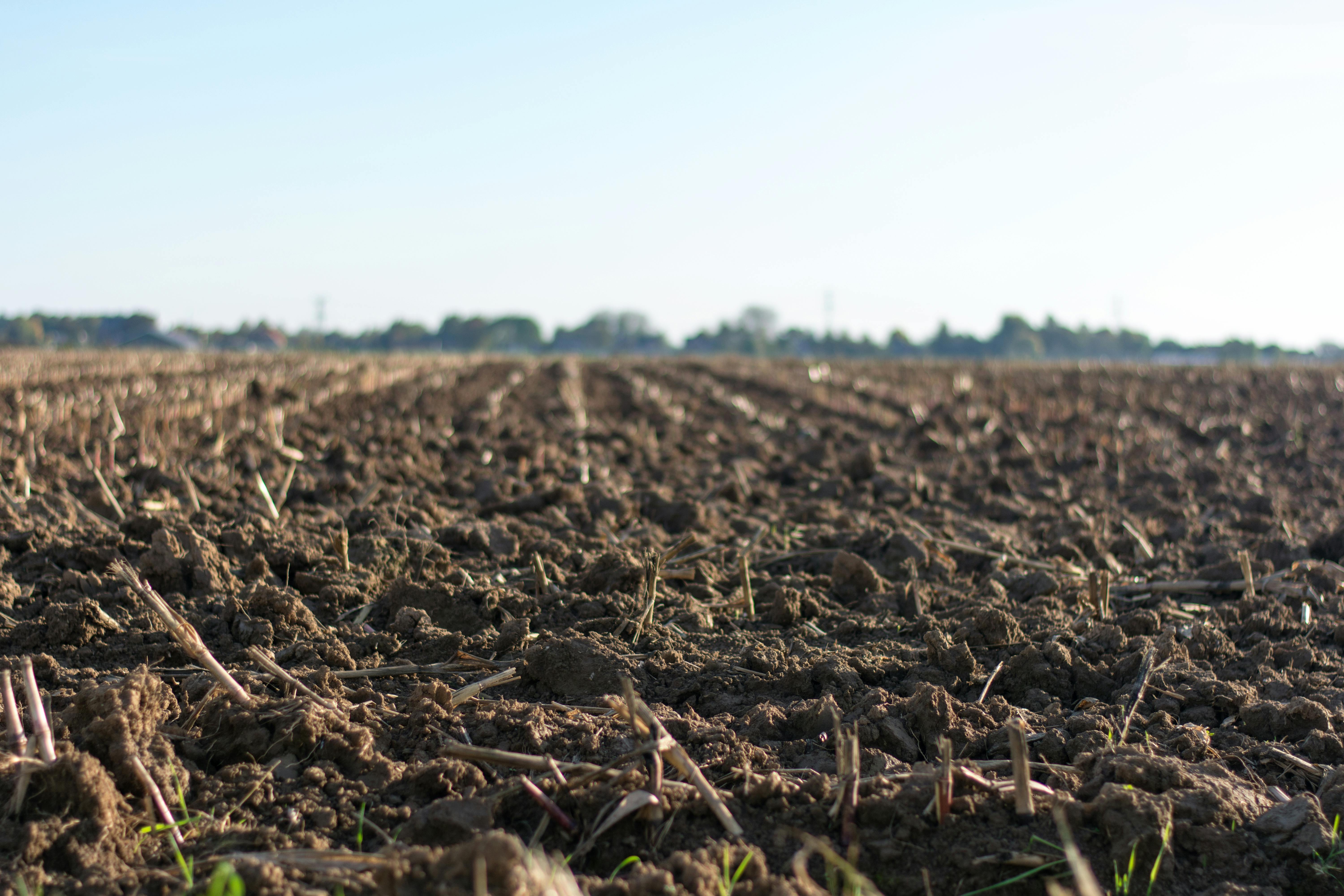
Professional Soil Testing Services for Corinth Farms
Every dollar spent on lime and fertilizer in Alcorn County should be driven by accurate soil analysis, not guesswork or tradition. Tri‑State Livestock LLC. provides comprehensive soil sampling and laboratory analysis throughout the Corinth area, giving producers precise fertility data to optimize inputs, correct pH problems, and boost pasture productivity without wasted applications.
Why Soil Testing Matters in Northeast Mississippi
Corinth's clay-loam soils, inherited acidity, and variable management histories create a patchwork of fertility across most farms. Fields near barns often carry excess phosphorus from decades of winter feeding, while back pastures may test deficient in phosphorus, potassium, and lime. Without testing, you're either over-applying nutrients (wasting money, risking environmental issues) or under-applying (limiting yields, reducing forage quality). Soil tests remove the guesswork, revealing exactly what your fields need.
Common Findings on Corinth-Area Farms
- Low pH (acidity): Most untreated pastures test below pH 5.5, limiting nutrient availability and legume establishment
- Phosphorus variability: Sacrifice lots test high while remote fields test very low—neither extreme supports optimal production
- Potassium depletion: Hay removal without replacement steadily mines potassium reserves
- Trace mineral deficiencies: Zinc, boron, and sulfur shortfalls reduce yield potential and livestock mineral status
Our Soil Sampling Process
Accurate soil testing begins with proper sampling technique. We collect representative cores from each management unit (typically 15–20 cores per 10–15 acres), avoiding unusual spots like old feed lots, wet holes, or fertilizer spill areas. Samples are mixed, packaged, and submitted to accredited laboratories providing standardized Southern regional recommendations.
What We Sample
- Pasture fertility analysis: pH, phosphorus, potassium, calcium, magnesium, CEC, and organic matter
- Micronutrient panels: Zinc, manganese, copper, boron, sulfur (optional add-on)
- Custom depth sampling: Standard 0–6" for pastures; deeper profiles for crop ground or erosion assessment
Interpreting Results for Corinth Soils
Raw lab data means little without context. We translate test results into actionable recommendations specific to your goals: maintenance fertility for hay meadows, intensive grazing systems, or conservation-minded wildlife plantings. Our interpretations account for realistic yield targets (4–6 tons/acre for bermudagrass, 2–3 tons for fescue), economic thresholds, and Corinth's rainfall patterns.
Key Metrics We Focus On
- pH: Target 6.0–6.5 for mixed grass-legume pastures; lime rates calculated to reach target in 12–18 months
- Phosphorus (P): Maintain medium-high levels (30–50 ppm Mehlich-3) to support clovers and root development
- Potassium (K): Critical for bermudagrass stands harvested as hay; replace removals annually
- Calcium/Magnesium ratio: Ensures balanced cation uptake and animal nutrition
Soil Testing for Specific Applications
Pasture Establishment and Renovation
Before killing existing stands or breaking ground for new seedings, test to identify limiting factors. Low pH prevents clover establishment no matter the seeding rate. Phosphorus deficiency reduces root development and stand persistence. Our pre-establishment testing and amendment plans set new pastures up for success from day one.
Hay Meadow Management
Hay harvesting exports massive nutrient loads—200 pounds of potassium per acre in three cuttings of bermudagrass. Without soil-test-guided replacement, stands thin and yields decline. We sample hay fields annually or bi-annually, tracking fertility trends and adjusting N-P-K programs to sustain production. Pair soil testing with our hay testing services for complete nutritional management.
Problem Area Diagnosis
Wet spots, eroded hillsides, and thin stands often trace back to soil issues. We conduct targeted sampling of problem areas alongside representative "good" zones to pinpoint causative factors—drainage restrictions, aluminum toxicity from extreme acidity, or nutrient imbalances that visual assessment can't reveal.
Coordinating with Fertilization Services
Soil test recommendations mean nothing without execution. Our fertilizer and lime application service translates test results into field action, applying prescribed rates with calibrated equipment. We handle the entire chain: sampling, analysis interpretation, product sourcing from Corinth-area suppliers, and spreading—ensuring recommendations become reality.
Corinth Soil Testing Pricing
Standard pasture soil sampling runs $15–$20 per sample including collection, lab fees, and basic interpretation. Most farms require 1 sample per 10–15 acres of similar management, so a 100-acre operation typically needs 7–10 samples. Micronutrient panels add $8–$12 per sample. We provide transparent quotes based on your acreage and testing goals:
- On-farm sampling and proper collection technique
- Laboratory analysis (accredited Southern regional labs)
- Detailed interpretation with lime and fertilizer recommendations
- Maps showing sampling locations and management zones
- Consultation on implementation timing and product selection
Sampling Frequency Recommendations
New pastures or recently limed fields should be re-tested annually for 2–3 years to monitor pH correction and fertility buildup. Established, stable pastures can test every 3 years. Hay meadows warrant annual testing due to heavy nutrient removal. We maintain client records and recommend resampling timing based on your management history.
Northeast Mississippi Soil Considerations
Alcorn County's Maury, Bodine, and Loring soil series share common traits: moderate natural fertility, clay subsoils that restrict drainage, and inherited acidity from decades without lime. Corinth farms closer to the Tennessee line often deal with shallow soils over limestone bedrock, creating calcium-rich but drought-prone conditions. Our sampling accounts for these regional patterns, adjusting recommendations to match local geology and climate.
Frequently Asked Questions
When should I sample my pastures?
Late summer through fall provides the most stable pH readings. Avoid sampling within 6 weeks of lime or fertilizer applications. We schedule Corinth-area sampling from August through November for best results.
How deep should soil samples go?
Standard pasture samples collect 0–6" depth, where most root activity and nutrient cycling occur. Deeper samples (6–12" or more) are useful for diagnosing compaction layers or tracking lime movement but aren't necessary for routine fertility monitoring.
Can I collect samples myself?
Yes, though proper technique matters. Avoid contamination from rusty equipment, take enough cores per area, and mix thoroughly. Most producers find our sampling service worthwhile for accuracy and time savings—we handle collection, packaging, and lab submission.
What if test results show major deficiencies?
Severe deficiencies require phased correction. For example, raising pH from 5.0 to 6.5 might require 3–4 tons of lime per acre, often split across 2–3 applications. We prioritize amendments, staging costs across budget years while addressing the most limiting factors first.
Do soil tests account for organic matter or biological health?
Standard tests report organic matter percentage, which correlates with nutrient cycling capacity. Specialized biological assessments (microbial biomass, respiration) are available but rarely necessary for commercial pasture management decisions. Organic matter typically increases with improved grazing management—something our consulting services address directly.
Service Area
We provide soil testing throughout Corinth, Alcorn County, and surrounding Northeast Mississippi areas including Tippah, Tishomingo, Prentiss, and Union counties. Extended service into portions of Tennessee and Alabama available—contact for coverage confirmation.
Integration with Other Services
Soil testing forms the foundation of several related services we provide to Corinth-area producers:
- Pasture consulting to design comprehensive fertility and grazing plans
- Fertilizer application to execute test-based recommendations
- Hay testing to balance supplements with actual forage nutrient content
Get Started with Soil Testing
Stop guessing about fertility and start managing with data. Contact Tri‑State Livestock LLC. to schedule soil sampling for your Corinth-area farm. Provide approximate acreage and management goals, and we'll propose a sampling plan with transparent pricing and turnaround timeframes.
Request Soil Testing Service